
When most people hear the term "heart failure," they immediately visualize a heart that has become weak, damaged, or unable to pump blood effectively to the rest of the body. While this is the classic presentation of heart failure, there is a distinct, often overlooked clinical condition known as High Output Heart Failure. In this state, the heart is actually pumping a volume of blood that exceeds the body's normal requirements, yet the tissues remain starved of oxygen and nutrients. This physiological paradox occurs because the body’s metabolic demands are so extreme that even an "over-performing" heart cannot keep pace. Understanding this condition is critical for medical professionals and patients alike, as the underlying causes are often treatable if identified early.
Understanding the Mechanics of High Output Heart Failure
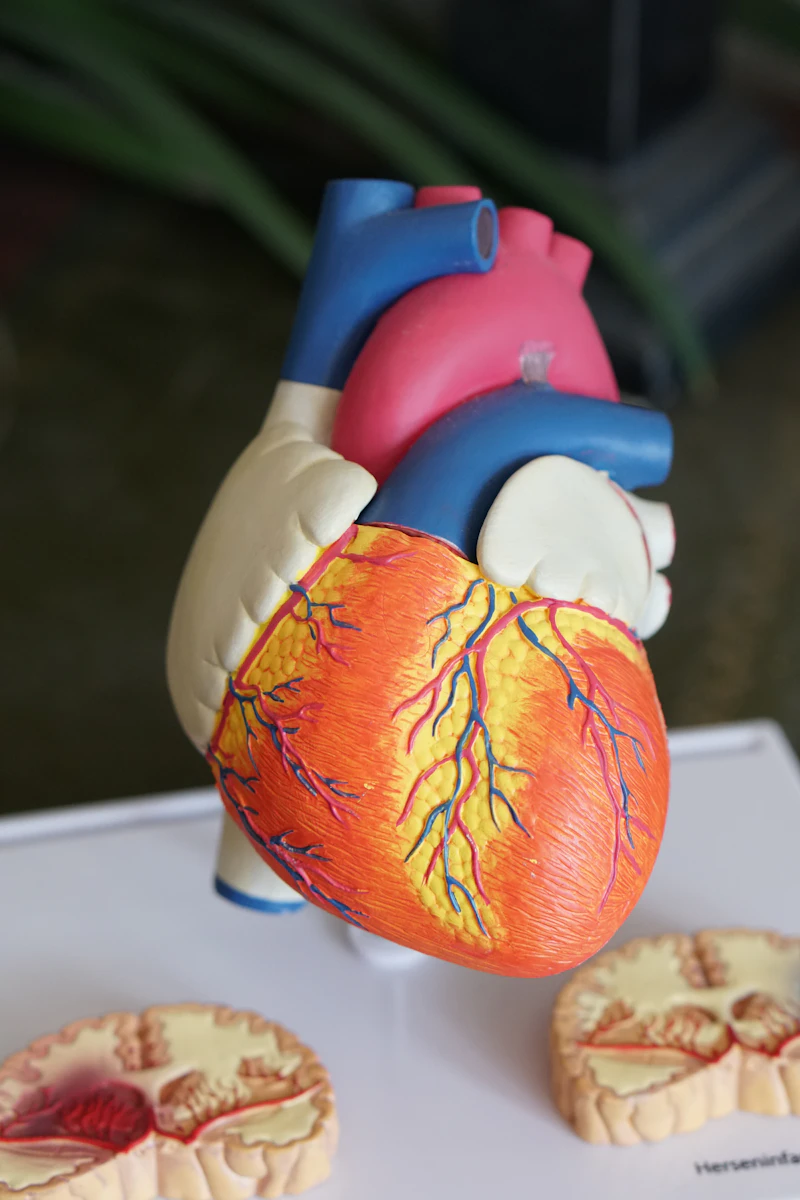
To grasp how High Output Heart Failure functions, one must distinguish it from low output failure. In low output failure, the heart muscle itself is usually the culprit—it is too weak to move blood forward. Conversely, in high output states, the heart may be perfectly healthy or even hyperdynamic. The failure arises because the peripheral vascular system demands an abnormally high amount of blood flow. This often results from pathological shunting, severe anemia, or endocrine hyperactivity. When the heart reaches its maximum cardiac output capacity and still cannot meet the peripheral needs, the patient enters a state of decompensated failure.
Primary Causes and Triggers
The triggers for this condition are diverse, often stemming from systemic issues rather than intrinsic heart disease. Identifying the root cause is the most important step in the diagnostic process. The most common underlying factors include:
- Severe Anemia: When hemoglobin levels are critically low, the heart must pump significantly faster to deliver enough oxygen to the tissues, eventually leading to cardiac exhaustion.
- Hyperthyroidism: An overactive thyroid increases the body’s metabolic rate, which demands a higher cardiac output to sustain the hyper-metabolic state.
- Arteriovenous (AV) Fistulas: Abnormal connections between arteries and veins allow blood to bypass capillary beds, creating a massive drop in systemic vascular resistance.
- Beriberi (Thiamine Deficiency): A lack of Vitamin B1 leads to systemic vasodilation, forcing the heart to work at high volumes to maintain blood pressure.
- Paget’s Disease of Bone: The rapid turnover of bone tissue increases local blood flow, which, in advanced stages, can affect total systemic circulation.
Clinical Manifestations and Diagnosis
Recognizing High Output Heart Failure can be challenging because it mimics typical congestive heart failure. Patients often present with peripheral edema (swelling), shortness of breath, and fatigue. However, clinicians often notice "warm extremities" rather than the "cold, clammy" skin associated with traditional heart failure. This is a vital diagnostic clue. Physical examination often reveals bounding pulses and a loud heart murmur, reflecting the high-velocity blood flow through the valves.
| Feature | Low Output Heart Failure | High Output Heart Failure |
|---|---|---|
| Cardiac Index | Reduced (<2.5 L/min/m²) | Elevated (>4.0 L/min/m²) |
| Skin Temperature | Cold/Cool | Warm/Flushed |
| Primary Mechanism | Myocardial Pump Failure | Increased Metabolic Demand |
| Systemic Resistance | Usually Increased | Significantly Decreased |
💡 Note: Always ensure that thyroid function tests and complete blood counts are performed early in the evaluation of unexplained heart failure to rule out high-output states.
Diagnostic Testing Procedures
To confirm the diagnosis, medical teams typically rely on a combination of imaging and laboratory markers. An echocardiogram is essential, as it will demonstrate a hyperdynamic heart with a high ejection fraction—the exact opposite of what is seen in traditional heart failure. Additional steps include:
- Serum TSH Levels: To screen for thyroid-related causes.
- Hemoglobin and Hematocrit: To identify severe anemia as a potential cause.
- Catheterization: Used in cases where an AV fistula is suspected, allowing clinicians to measure oxygen saturation in different vessels.
- BNP Testing: While elevated in both conditions, BNP levels in high output states may fluctuate differently depending on the volume overload.
💡 Note: Treat the primary underlying condition before initiating standard heart failure medications like beta-blockers, as they may worsen a high-output state if used inappropriately.
Treatment Strategies and Long-Term Management
Unlike standard heart failure, where treatment focuses on supporting the heart muscle with neurohormonal blockade, the treatment of High Output Heart Failure is strictly aimed at the underlying etiology. For example, if the cause is severe anemia, blood transfusions or hematinic therapies are the primary interventions. If the cause is an AV fistula, surgical or endovascular closure of the fistula is required to restore normal hemodynamic stability. Managing these underlying conditions often allows the heart to revert to normal function without the need for long-term cardiac medications.
As we finalize our review of this complex condition, it remains clear that the heart is often a reflection of the systemic health of the body. While the symptoms may manifest as traditional cardiac distress, identifying the metabolic, hematological, or structural triggers is the key to recovery. Through rigorous diagnostic investigation and targeted treatment of the underlying cause, patients with this condition can experience significant relief and improvement in cardiac efficiency. Always consult with a healthcare professional to determine the specific source of cardiovascular strain, as early intervention prevents the secondary damage that prolonged hyperdynamic states can inflict on the heart muscle over time.
Related Terms:
- high output heart failure icd10
- high output heart failure anemia
- high output heart failure meaning
- high output heart failure ef
- high output heart failure treatment
- high output heart failure symptoms