
The human spinal cord is a marvel of biological engineering, serving as the primary highway for communication between the brain and the rest of the body. Within this complex structure, the gray matter is organized into distinct regions known as horns. Among these, the Lateral Horn stands out as a critical component of the autonomic nervous system. Located specifically within the thoracic and upper lumbar segments of the spinal cord, this structure is the command center for involuntary bodily functions. Understanding its anatomy and physiological significance is essential for anyone interested in neuroscience, physical therapy, or human biology, as it bridges the gap between conscious thought and the subconscious maintenance of life.
Anatomical Structure of the Lateral Horn
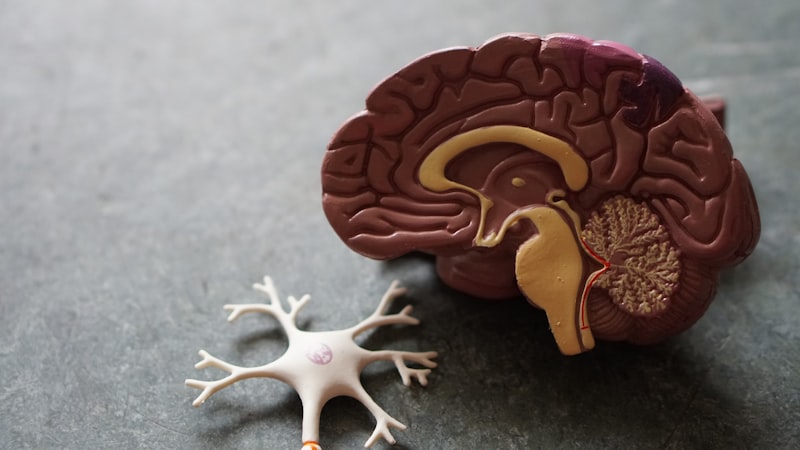
To grasp the function of the Lateral Horn, one must first visualize the cross-section of the spinal cord. Unlike the dorsal horns, which deal with sensory input, or the ventral horns, which manage motor output, the Lateral Horn—also known as the intermediolateral nucleus—is tucked between them in the thoracic and upper lumbar regions (T1 through L2). It is primarily composed of the cell bodies of preganglionic sympathetic neurons. These neurons are the "first responders" in the sympathetic nervous system, often referred to as the "fight-or-flight" system.
The architecture of this region is highly specialized to facilitate rapid signaling. The neurons here are myelinated and exit the spinal cord through the ventral roots, eventually reaching the sympathetic chain ganglia. This direct line of communication ensures that when the body detects a threat or a need for increased energy, the Lateral Horn can trigger an immediate, systemic response.
Physiological Functions and Systemic Impact
The primary role of the Lateral Horn is the regulation of visceral activity. Because it houses the sympathetic outflow, it controls a vast array of involuntary muscles and glands throughout the body. When this region is activated, it initiates a cascade of physiological changes:
- Heart Rate Regulation: Increasing the pace and force of contractions to improve blood flow.
- Vasomotor Control: Constricting blood vessels to redirect blood flow toward essential muscles during high-stress situations.
- Respiratory Adjustments: Dilating the bronchioles to allow for increased oxygen intake.
- Metabolic Shifts: Triggering the release of stored glucose from the liver to provide immediate fuel for the body.
- Glandular Activation: Stimulating the adrenal medulla to release catecholamines like adrenaline.
This integration ensures that the internal environment, or homeostasis, remains balanced even under significant external pressure. Without the rhythmic and responsive activity of the neurons within the Lateral Horn, the body would struggle to adapt to simple environmental changes, such as moving from a seated position to standing, which requires rapid blood pressure adjustment.
| Spinal Region | Associated Horn Type | Primary Function |
|---|---|---|
| Dorsal (Posterior) | Dorsal Horn | Sensory Processing |
| Thoracic/Lumbar | Lateral Horn | Sympathetic Autonomic Control |
| Ventral (Anterior) | Ventral Horn | Somatic Motor Control |
Clinical Significance and Potential Disorders
Because the Lateral Horn sits at the intersection of autonomic control, damage to this specific area can have profound clinical implications. Spinal cord injuries or neurodegenerative conditions that affect the thoracic levels can lead to a condition known as autonomic dysreflexia. This is a life-threatening medical emergency often seen in patients with high-level spinal cord injuries, where the autonomic system loses its top-down regulation, leading to dangerous spikes in blood pressure.
⚠️ Note: Autonomic dysreflexia is a medical emergency characterized by extreme hypertension and bradycardia. If you suspect an individual is experiencing this, immediate medical attention is mandatory.
Furthermore, conditions like Multiple System Atrophy (MSA) or specific types of autonomic neuropathies can target the preganglionic neurons residing in the Lateral Horn. Understanding these pathways allows clinicians to better diagnose orthostatic hypotension, gastrointestinal motility issues, and other autonomic failures that might otherwise seem unrelated to spinal cord health.
Integration with the Autonomic Nervous System
The Lateral Horn does not act in isolation. It receives constant input from higher brain centers, particularly the hypothalamus and the brainstem (specifically the medulla oblongata). These regions act as the "master controllers," sending signals down to the Lateral Horn to dictate the level of sympathetic activity required at any given moment. This hierarchical control ensures that the body’s "fight-or-flight" response is proportionate to the actual stressor encountered.
In addition to these descending signals, the region is also involved in reflex arcs. For example, local sensory signals can trigger an autonomic response directly through the spinal cord, bypassing the brain to provide a near-instantaneous reaction. This demonstrates the efficiency of the Lateral Horn in maintaining life-sustaining processes without requiring conscious mental energy.
💡 Note: While the thoracic and lumbar segments contain the sympathetic outflow, the parasympathetic nervous system originates primarily in the brainstem and the sacral regions of the spinal cord, demonstrating a distinct anatomical separation from the sympathetic Lateral Horn.
Future Research and Advancements
As medical technology evolves, researchers are looking closer at how we might "modulate" the activity of the Lateral Horn to treat chronic illnesses. Spinal cord stimulation (SCS) has shown promise in managing chronic pain, but emerging research is exploring whether similar stimulation techniques could be used to treat patients with autonomic insufficiency. By stimulating the specific gray matter regions of the spinal cord, scientists hope to restore lost function in those with neurological deficits.
The study of this region remains a cornerstone of medical education. As we learn more about the plasticity of the spinal cord, our ability to treat injuries and conditions related to the Lateral Horn will undoubtedly improve, offering hope for better autonomic management and enhanced quality of life for patients globally.
Wrapping up these insights, it becomes clear that the Lateral Horn is far more than just a structural curiosity within the spinal cord. It serves as the primary conduit for the body’s automated maintenance, governing everything from heart rate to digestion. Its precise location between the thoracic and upper lumbar vertebrae grants it the unique responsibility of overseeing the sympathetic nervous system, ensuring our internal environment remains stable despite external volatility. Whether through regulating life-saving reflexes or managing long-term physiological homeostasis, this region is an indispensable player in human health. Continued research into its function and clinical disorders promises not only to deepen our understanding of spinal anatomy but also to refine how we approach the treatment of autonomic dysfunctions, ultimately reinforcing the importance of this small but vital cluster of neurons in our daily existence.
Related Terms:
- lateral horn anatomy
- lateral horn of spinal cord
- lateral horn vs ventral
- lateral horn brain
- anterior vs posterior horn
- lateral horn vs ventral horn