
When looking at the vast expanses of rural land across the country, many people use terms like "farm" and "ranch" interchangeably. However, in the world of agriculture and land management, the distinction between the two is significant. Understanding the difference in ranch vs farm operations is essential for anyone interested in real estate, agricultural economics, or simply understanding the food systems that sustain us. While both involve working with the land, they are defined by their specific primary outputs, operational methods, and the scale of the environment required to make them successful.
Defining the Agricultural Landscape
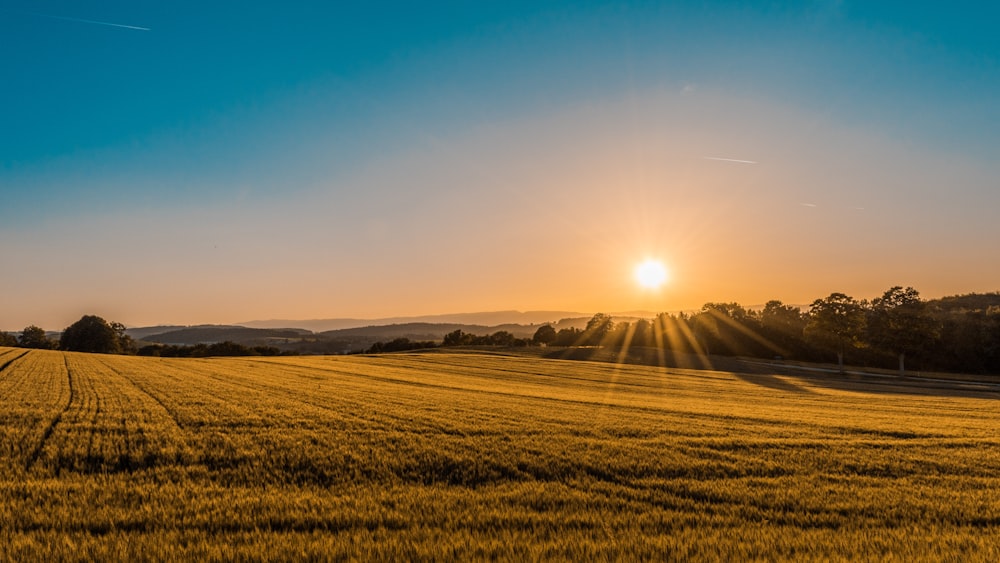
At its core, a farm is an area of land devoted primarily to agricultural processes, primarily the production of crops and food. Farms are generally characterized by the cultivation of soil, the planting of seeds, and the systematic harvesting of vegetation. Conversely, a ranch is defined by the raising of grazing livestock, such as cattle or sheep, over a vast expanse of land. The primary product of a ranch is the animal itself or its byproducts, such as wool or meat, whereas the primary product of a farm is typically plants, grains, or vegetables.
The nuance in the ranch vs farm debate often comes down to the concept of intensive versus extensive land use. Farms are frequently smaller and require more intensive labor per acre to manage irrigation, pest control, and fertilization. Ranches are almost always extensive, meaning they cover large areas of land where the primary goal is to allow animals to forage naturally with minimal human intervention in the feeding process.
Core Differences in Operations
To better distinguish between the two, it is helpful to look at how they manage their daily operations. The following table highlights the fundamental contrasts between these two agricultural business models:
| Feature | Farm | Ranch |
|---|---|---|
| Primary Focus | Crops, produce, dairy, or poultry | Grazing livestock (cattle, sheep) |
| Land Usage | Intensive, often smaller plots | Extensive, requires vast acreage |
| Human Intervention | High (sowing, pruning, harvesting) | Lower (herding, monitoring, fencing) |
| Infrastructure | Barns, silos, machinery, greenhouses | Fencing, water troughs, corrals |
The Role of Environment and Geography
Geography plays the most critical role in determining whether a parcel of land will become a farm or a ranch. Farms thrive in areas with fertile soil, moderate climates, and reliable water sources that support plant growth. Regions like the Midwest or the fertile valleys of California are iconic “farming” regions because the soil composition is perfect for large-scale crop production.
Ranches, on the other hand, are commonly found in regions where the soil may be less fertile or the climate is less conducive to traditional row-crop agriculture. Areas like the American West or the plains of Australia are famous for their ranching operations. In these locations, the native grasses provide a cost-effective source of nutrition for livestock, turning otherwise "unfarmable" land into a highly productive asset.
💡 Note: While these definitions are standard, modern agriculture often sees "mixed operations," where a single property may manage both crop production and livestock grazing to diversify income streams.
Key Operational Requirements
Managing either a farm or a ranch requires a unique set of skills and equipment. For those analyzing ranch vs farm operations, consider the following requirements:
- Equipment Needs: Farms require tractors, combines, plows, and irrigation systems. Ranches require heavy-duty fencing, all-terrain vehicles (ATVs), and specialized livestock handling equipment like chutes and scales.
- Labor Intensity: Farming is often seasonal and labor-intensive during planting and harvest months. Ranching is a year-round commitment involving herd health management, breeding cycles, and predator protection.
- Market Fluctuations: Farmers are often at the mercy of commodity prices for grains and vegetables, while ranchers must navigate the volatile markets for livestock and meat products.
Sustainability and Land Stewardship
Both sectors have evolved significantly toward sustainable practices. Farmers are increasingly adopting no-till farming and crop rotation to preserve soil health. Ranchers are focusing on rotational grazing, which mimics the natural migration patterns of wild herds, allowing grass to recover and preventing soil erosion. Whether managing a crop-focused farm or a livestock-focused ranch, the goal is to maintain the long-term viability of the land.
💡 Note: Regardless of the classification, successful agricultural operators prioritize soil health and water conservation, as these are the primary drivers of land value and production yield.
Financial Considerations
The financial model of a farm typically revolves around the “turnaround time” of a single harvest season. A farmer invests in seeds and fertilizer and receives a return once the crop is sold. A rancher’s financial cycle is often longer, as it involves the biological growth of animals, which can take several years from birth to market readiness. Understanding this timing is critical for anyone planning to invest in agricultural land or pursue a career in the field.
Final Thoughts
Choosing between a farm or a ranch lifestyle involves a careful assessment of geography, budget, and personal goals. Farms provide the bedrock of our produce and grain supplies, requiring precision and constant activity to nurture the earth. Ranches provide the essential link in the meat and fiber supply chain, utilizing vast landscapes and natural ecosystems to support herd growth. By recognizing these differences, one can better appreciate the complex work that goes into the production of our food. While the industry is becoming increasingly modernized with technology, the foundational difference between cultivating the ground and nurturing the herd remains the defining characteristic that separates the farmer from the rancher.
Related Terms:
- ranch vs farm definition
- ranch vs farm vs homestead
- what makes a farm ranch
- ranch meaning
- what is considered a ranch
- ranch vs farm difference